

The Long-Term Risks of Untreated Myopia
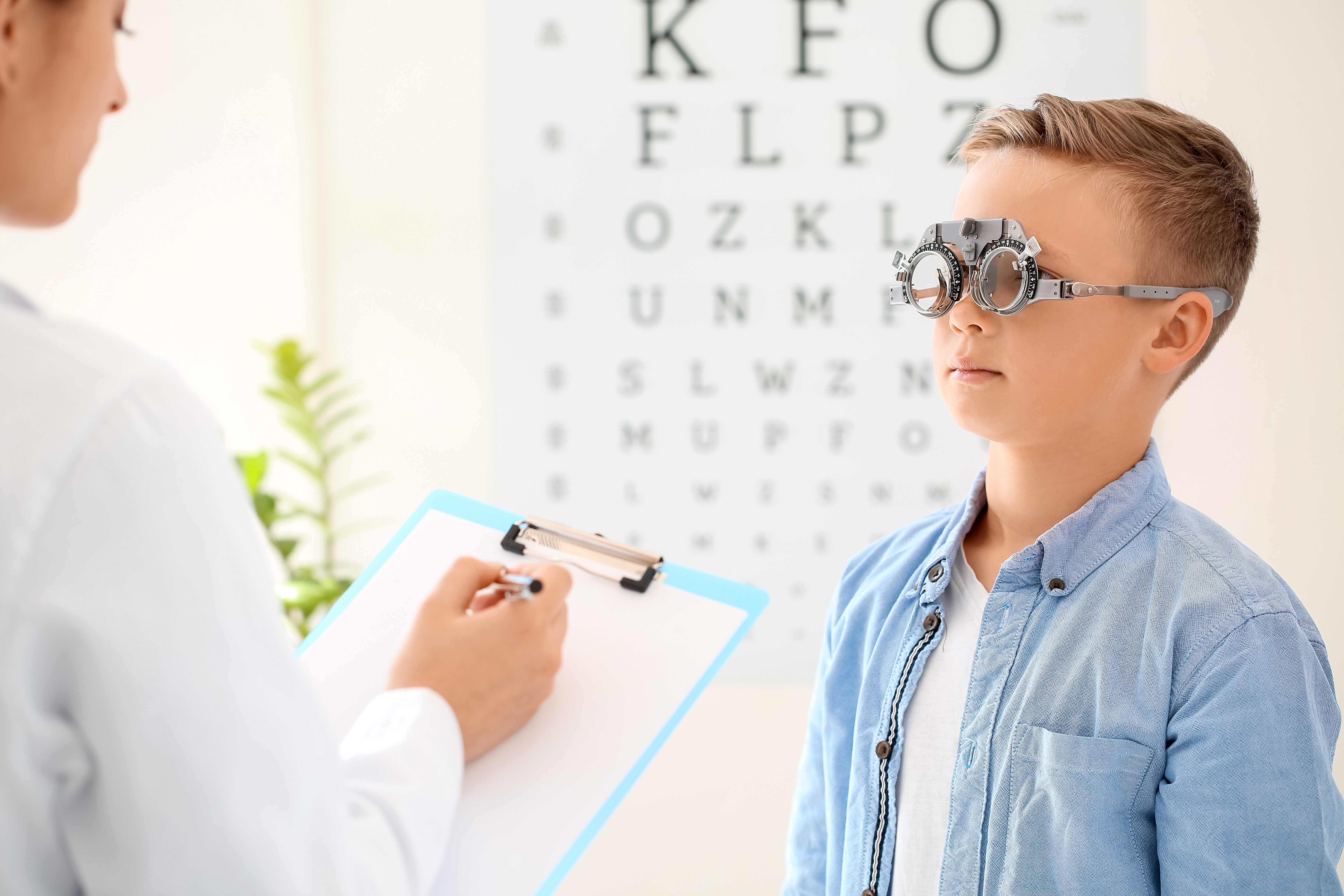
Myopia is often viewed as a simple vision problem that can be corrected with glasses or contact lenses. While those tools can help a child or adult see more clearly, they do not address the underlying progression of myopia. When myopia is left untreated, especially during childhood, it can continue to worsen over time and increase the risk of serious eye health problems later in life.
Why Myopia Progression Is a Concern
Myopia occurs when the eye grows too long from front to back, causing light to focus in front of the retina instead of directly on it. As myopia progresses, that extra elongation can place stress on the structures inside the eye. This is why untreated myopia is more than a prescription issue - it can become a long-term health concern.
Children are especially important to monitor because their eyes are still developing. If myopia worsens year after year, the chances of future complications may rise significantly.
Eye Conditions Linked to Hight Myopia
Higher levels of myopia are associated with an increased risk of several serious conditions that can threaten vision. These may include:
- Retinal detachment
- Glaucoma
- Myopic macular degeneration
- Cataracts at an earlier age
- Permanent changes to the shape and health of the eye
These risks make early management an important part of protecting lifelong vision, not just improving day-to-day clarity.
How Untreated Myopia Can Affect Daily Life
Beyond long-term eye health, untreated myopia can interfere with school, sports, and everyday activities. Children may struggle to see the board in class, miss visual details during learning, or lose confidence in activities that require distance vision. Some parents notice squinting, frequent headaches, sitting too close to screens, or a drop in academic performance.
When vision is not clear, it can also affect focus, comfort, and participation in social or physical activities. Addressing myopia early can help children function better now while also reducing future concerns.
The Importance of Myopia Management
Myopia often progresses most rapidly in childhood and early adolescence. That is why early diagnosis and treatment can make such a meaningful difference. The goal of myopia management is not simply to update a prescription - it is to slow progression and reduce the risk of future complications.
A personalized treatment plan may include MiSight, Ortho-K, atropine eye drops, or a combination of these options based on the child’s needs and age. Regular monitoring through pediatric eye exams also helps track changes and treatment progress.
When to Schedule a Myopia Evaluation
If your child is squinting, complaining of blurry distance vision, or needing stronger prescriptions more often, it may be time for a myopia management evaluation. Even mild myopia should be monitored closely, especially if there is a family history of nearsightedness.
Schedule a pediatric eye exam with Dr. Lisa Amato & Associates to learn more about myopia management treatment options. Visit our office in Riverview, Florida, or call (813) 308-0400 to book an appointment today.

Contact Info
Hours of Operation
- Monday 9:00am - 5:00pm
- Tuesday 9:00am - 5:00pm
- Wednesday 9:00am - 5:00pm
- Thursday 9:00am - 5:00pm
- Friday 9:00am - 5:00pm
- Saturday 9:00am - 5:00pm
- Sunday 12:00pm - 5:00pm
© 2026 Dr. Lisa Amato & Associates. All rights Reserved. Accessibility Statement - Privacy Policy - Sitemap
Powered by:
