

Why Your Vision Prescription Changes—and What to Do About It
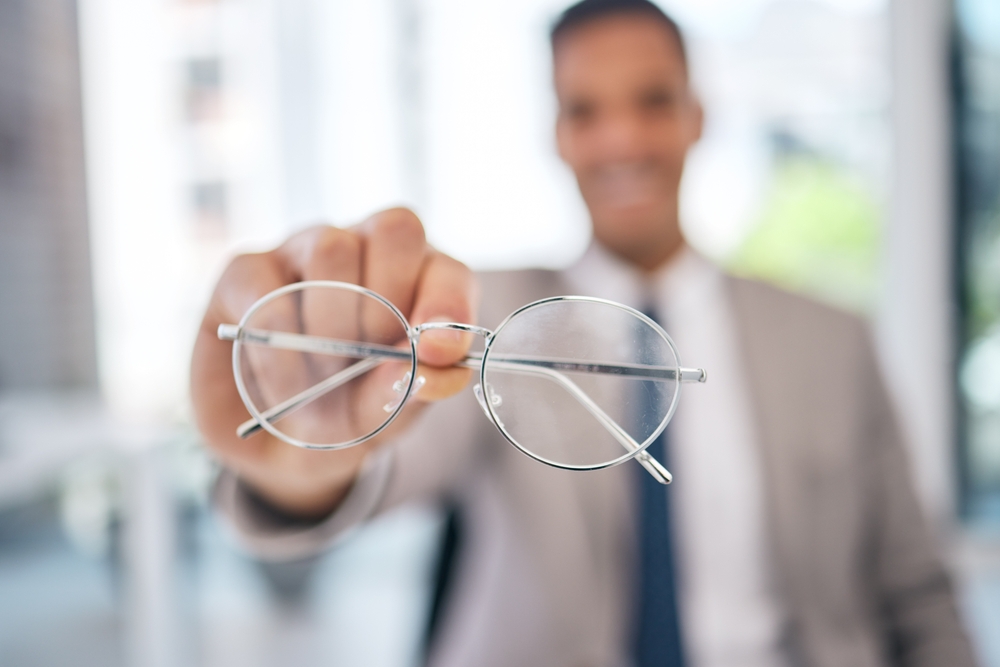
Has your eye doctor ever told you your prescription needs an update, even though your glasses felt fine recently? This is very common, and it can be a bit frustrating.
Try not to think of it as your eyes getting “worse.” Just like the rest of your body, your eyes naturally change over time. These normal shifts mean the lens power you need to see your best also changes. Getting an updated prescription is simply the way to keep your vision clear and comfortable.
Growing Up, Getting Older, and Eye Development
The most common reason your prescription changes? It is simply the passage of time.
When you are young, your eyes are still growing. As a child or teen, your eyeball gradually lengthens, which can make you more nearsighted, meaning the whiteboard at school or road signs start to look blurry. This is a normal part of development.
Then, around your forties, another nearly universal change occurs. The lens inside your eye will start to lose its flexibility. This makes it harder to focus on close-up tasks. You should hold your phone farther away to read it. This is called presbyopia, and it is why many people pick up their first pair of reading glasses around this time. It is not a disease; it is a natural part of getting older.
Your Daily Habits and Lifestyle
Believe it or not, how you spend your day can also affect your vision. If you spend extended periods every day looking at things up close, especially a computer, tablet, or phone, your eyes can get tired and strained.
Staring at screens or working close-up for hours will exhaust your eyes. If you do this every day, the strain can sometimes push your vision to change. It will make it harder to see far away, or just leave your eyes feeling totally drained. The simple fix is to look away now and then. Glance across the room for a minute. That quick break is all your eyes need to relax and recharge.
Health Conditions and Eye Diseases
Sometimes, a change in your eyesight is not about age; it is a note from the rest of your body. Blurry vision can be one of the first hints that something else is going on with your health.
Consider diabetes. If your blood sugar fluctuates, you might notice your vision blurring or shifting throughout the day. High sugar can cause the lens in your eye to swell slightly, changing how you focus.
Issues like cataracts, glaucoma, or macular degeneration will slowly cause your vision to become dim, distorted, or patchy. If you have one of these, you may update your glasses prescription more often.
What to Do When Your Vision Changes
Since we know vision changes happen, the best thing you can do is stay ahead of the curve. Being proactive about your eye health is simple, and it makes a huge difference.
First, you really need to see your eye doctor regularly. Getting a full, comprehensive eye exam every year or two is the most important step. This checkup allows your doctor to monitor your eyes for tiny shifts and spot any health concerns long before they turn into bigger issues, even if you feel like your vision is totally fine.
Second, if your doctor confirms your prescription has changed, it is smart to update your glasses or contacts. Continuing to see with an old prescription can lead to serious discomfort, causing headaches or eye strain. You want to see clearly and comfortably so you can manage your daily life safely.
Finally, if you notice any sudden blurriness, new headaches, or strange light sensitivity, call your eye doctor right away.
For more on vision prescription changes, visit Dr. Lisa Amato & Associates. Our office is in Riverview, Florida. To book an appointment today, call (813) 308-0400.

Contact Info
Hours of Operation
- Monday 9:00am - 5:00pm
- Tuesday 9:00am - 5:00pm
- Wednesday 9:00am - 5:00pm
- Thursday 9:00am - 5:00pm
- Friday 9:00am - 5:00pm
- Saturday 9:00am - 5:00pm
- Sunday 12:00pm - 5:00pm
© 2026 Dr. Lisa Amato & Associates. All rights Reserved. Accessibility Statement - Privacy Policy - Sitemap
Powered by:
